
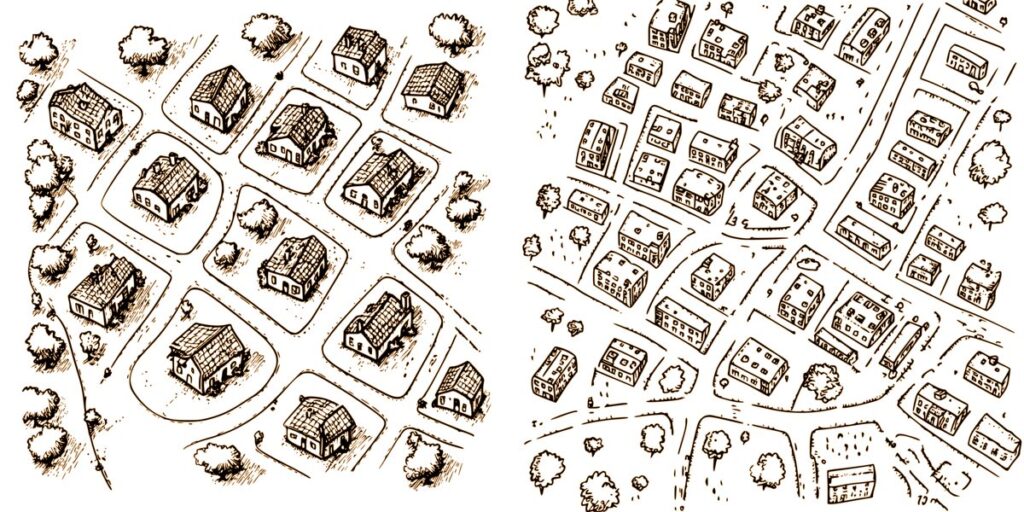
Hauppauge, a charming hamlet nestled within the towns of Islip and Smithtown, stands as a testament to Long Island’s rich history and enduring spirit. From its Native American roots to its role as a thriving suburban community, Hauppauge’s story is woven with change, resilience, and a deep appreciation for its land and people. Join me as we take a stroll through the history, landmarks, and heritage that make Hauppauge a beloved neighborhood for generations of residents.
The Origins: Name and Native American Legacy
Before European settlers arrived, Hauppauge was part of a vast territory inhabited by indigenous peoples — most notably the Secatogue tribe of the Algonquin nation. The name "Hauppauge" is derived from the Native American word “Hapauk,” meaning “the sweet waters” or “overflowed land.” This designation references the abundant, clear springs and streams that once bubbled across the area, especially around what is now known as the Hauppauge Industrial Park and the headwaters of the Nissequogue River.
These fresh water sources drew both Native Americans and, later, colonial settlers, making the land a prized resource. Even as centuries passed, local springs remained a point of pride and a vital part of the hamlet’s identity.
Early Settlement and Colonial Times
The first European settlers arrived in Hauppauge in the late 1600s. Many families migrating east from Setauket and Southampton were drawn by fertile land, accessible water, and the quiet beauty of the area. By the early 18th century, farming defined the landscape, and early homesteads dotted roads such as Townline Road and Wheeler Road. These original farmsteads, some of which still stand in modified forms, witnessed daily life shaped by agriculture and community bonds.
The division of the neighborhood between the Town of Islip and the Town of Smithtown traces back to the colonial boundary known as the Hauppauge Line, a slightly meandering property border that endures to this day.
Growth and Key Historical Milestones
19th Century Development
The 1800s brought slate-roofed farmhouses, small gristmills, and, eventually, the Hauppauge Methodist Church, which was established in 1806. The Old Hauppauge School, also sited along Townline Road, served as a gathering place and educational anchor for the growing population.
As transportation improved with new roads and the advent of stagecoach service, Hauppauge became more accessible. Despite this, the hamlet retained a rural character for much of the 19th century, with sparse clusters of homes surrounded by open fields and dense woods.
Post-World War II Suburban Boom
The decades following World War II transformed Hauppauge into a different place entirely. Like much of Suffolk County, Hauppauge experienced rapid suburbanization. Farmland gave way to developments like the Bretton Woods neighborhood off Old Nichols Road and the creation of family homes along Lincoln Boulevard, Mount Pleasant Road, and Edgewood Avenue.
The Hauppauge Industrial Park, established in the 1970s near Motor Parkway, became a defining feature. One of the largest industrial parks in the Northeast, it brought new jobs, diversity, and energy to the local economy. Today, thousands commute to the patchwork of businesses, underscoring the hamlet's role as both a home and a hub of industry.
Landmarks and Institutions That Tell Our Story
Hauppauge is home to several key landmarks and institutions that reflect its evolution and community spirit:
- Hauppauge Public Library (601 Veterans Memorial Highway) — Much more than a library, this vibrant institution offers lifelong learning, cultural programs, and a welcoming space for residents of all ages.
- Hauppauge School District — With schools such as Hauppauge High School and Forest Brook Elementary, the district is a point of pride, providing excellent education and bringing families together at Friday night football games and annual Spring Fling carnivals.
- Hidden Ponds Park — Tucked just off Old Willets Path, this park offers trails, little league fields, picnic areas, and a beloved playground, reflecting Hauppauge’s commitment to outdoor family life.
- The Old Hauppauge Methodist Church (Church Street) — Now home to the Hauppauge Historical Society, this carefully preserved building invites visitors to learn about early settler life through displays and events. The annual Strawberry Festival draws crowds eager for homemade treats and a glimpse into local history.
- Key Intersections and Roads — The crossroads of Route 111 (Wheeler Road) and Veterans Memorial Highway form the core of modern Hauppauge. Along these routes, locally-owned shops, bakeries, and family restaurants coexist alongside newer developments, blending past and present.
Hauppauge’s Sense of Community Through the Decades
From its earliest days, Hauppauge has been bound together by a strong sense of neighborliness and pride in place. The 20th century brought Little League, fire department fish fries, and the formation of civic associations, all reinforcing the tradition of coming together in good times and bad.
Annual events such as Memorial Day parades along Townline Road, the Hauppauge Craft & Vendor Fair, and performances at the Hauppauge High School auditorium create lasting memories for old and new residents alike.
Looking Toward the Future
Today, Hauppauge balances a respect for its water-filled origins and rural roots with the demands of a modern, growing community. Ongoing efforts by local advocates ensure the preservation of green spaces and the honoring of landmarks like the old stone schoolhouse and historic farmhouses.
Residents celebrate their diversity and shared heritage – from longtime families with roots back to the 1800s, to newer arrivals making memories in beloved neighborhood parks. As Hauppauge continues to evolve, the values that defined it from the start — resourcefulness, community spirit, and a love of the land — remain ever-present.
Whether you’re taking a quiet walk down Lincoln Boulevard shaded by old oaks, catching a soccer game at Hidden Ponds Park, or learning about early settlers from the Hauppauge Historical Society, you’re part of a living story. Hauppauge’s journey from “the sweet waters” to a thriving suburban neighborhood is a source of both pride and inspiration, making it, in every sense, a special place to call home.